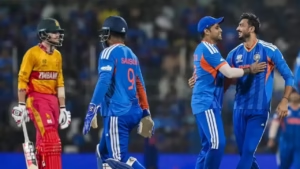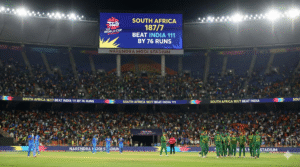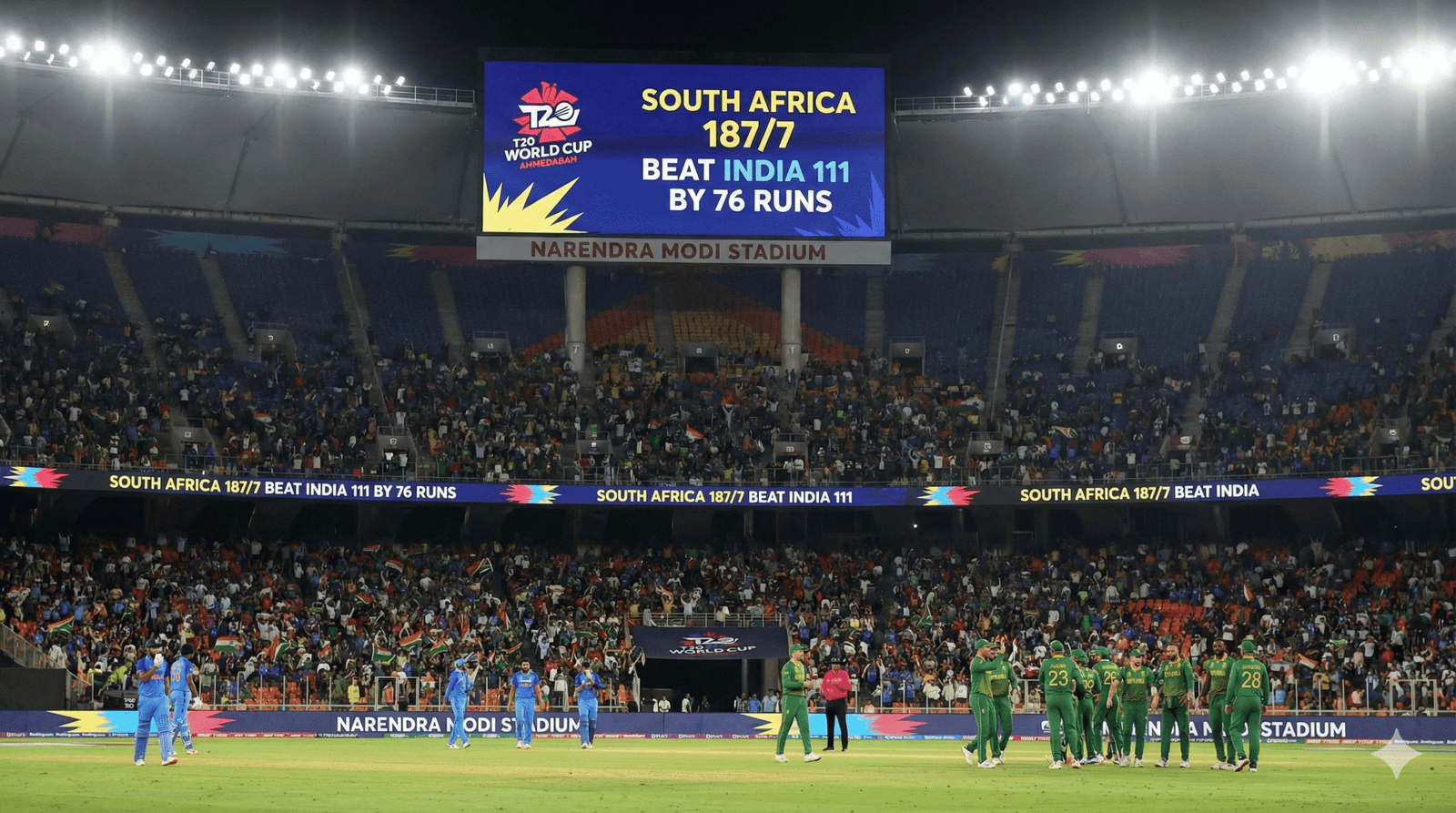
The city of Ahmedabad operates in a comedic manner that results in both emotional damage to Indian people. The ODI World Cup final found in 2023 created a permanent wound which Sunday night under the same floodlights proved to be another destructive force. The home team suffered a complete collapse while chasing 188 on a challenging pitch which resulted in their all-out dismissal for 111 runs during 18.5 overs. The situation provided an extremely difficult reality assessment which revealed fundamental weaknesses in a batting lineup that had appeared unbreakable only a few days earlier. The Proteas achieved their complete victory against the defending champions while we explore the tournament implications of their success.
The Turning Point: Miller and Brevis Rebuild
David Miller and young Dewald Brevis chose to change their approach at that moment. The players evaluated the pitch conditions accurately which caused them to choose between two options. The players maintained their current state because they executed blind bat swings which resulted in their wicket loss during the match.
They executed their strategy through ball hits which originated from the ‘V’ area until they found their perfect moment for an attack. The Indian bowling attack lost its effectiveness after the two players formed a partnership that scored 97 runs from 51 balls. The players used their hitting strategy against Varun Chakaravarthy because they predicted his pitch movements while hitting him for sixes from their deep crease positions.
India: A Nightmare Powerplay for Us
Chasing 188 on an Ahmedabad pitch that grips requires a solid foundation and sensible pacing. The result for India proved completely different to what they expected. The match outcome was determined during the initial six overs.
Marco Jansen received the ball from Aiden Markram, and the left-handed bowler proceeded to destroy India’s top batting order. The slide began immediately when Ishan Kishan was dismissed for a four-ball duck when he attempted to hit Markram’s off-spin delivery during the first over. Jansen extracted unpredictable steep bounce which forced the batters to struggle during his bowling.
- Tilak Varma (1): Charged down the track but edged an extra-bouncing delivery from Jansen straight to the keeper.
- Abhishek Sharma (15): Tricked by a brilliant pace-off knuckleball, offering a simple catch.
- Suryakumar Yadav (18): Struggled to find any timing on the sluggish pitch and eventually mistimed a pick-up shot off Corbin Bosch.
India slumped to 51/5. There was no plan B, no attempt to absorb the pressure just a relentless, and ultimately foolish, attempt to hit their way out of trouble.
Jansen and Maharaj Spin a Web
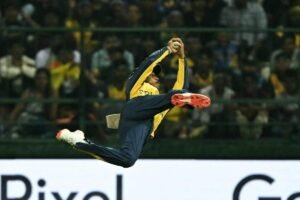
Shivam Dube attempted to rescue the match through his determined performance which produced 42 runs from 37 balls but he could not find support from his teammates. The South African bowlers maintained their aggressive approach because their exceptional fielding ability prevented any easy single runs. Marco Jansen achieved his most outstanding career achievement through his 4/22 performance. Jansen and left-arm spinner Keshav Maharaj stopped all Indian attempts to create an offensive partnership. Maharaj delivered an outstanding middle-over performance through his 3/24 bowling showing which used the sticky pitch conditions to his advantage. He captured three wickets during one over which successfully finished off the Indian batting order.
Lungi Ngidi deserves special recognition for his performance. Although he failed to obtain any wickets his 0/15 bowling performance during four overs produced extreme pressure. His economical bowling lines compelled Indian batsmen to play wild shots against the other bowlers.
Experts Call Out India’s “One-Dimensional” Batting
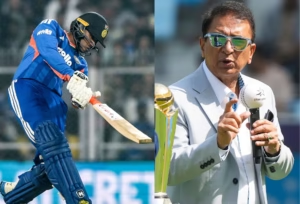
The match results have produced immediate consequences. The two former cricketers Sunil Gavaskar and Shaun Pollock delivered their harsh assessment of the home team’s performance during the post-game show. The two teams showed completely different approaches to their initial wicket losses according to Gavaskar. Brevis and Miller showed the correct way to build their innings through their partnership which he considered essential for success, instead of using all possible batting options. Pollock verified his point through his explanation of how players needed to adapt to different match situations.
What This Means for the Super 8 Group 1 Table
The team experienced their biggest loss from a match because their net run rate NRR suffered a major decline. India lost the match by 76 runs which caused their NRR to drop to -3.800. All teams in Group 1 will use NRR as their tiebreaker system which includes both West Indies and Zimbabwe.
India’s Path Forward
The title defense requires India to achieve overwhelming victory in their next two matches which they will play against Zimbabwe and the West Indies. The team needs to achieve decisive military victories because regular wins will not restore their broken NRR which ends their chances of playing.
India needs a reality check at this particular moment and the team received their most important one.