
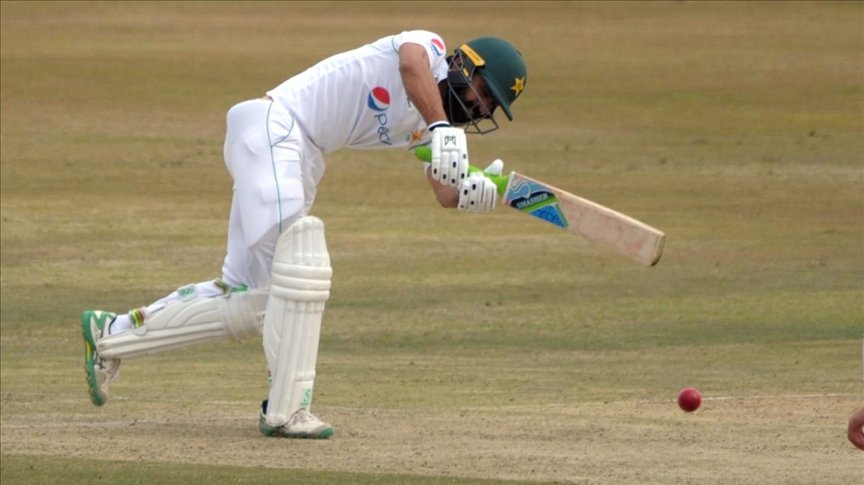
Cricket is a game of small margins. A few inches over and what looked a good shot turns into a wicket. An inning that has the potential to win a match can be reduced to an early walk back toward the pavilion because of one small shift in angle, pace, swing, or bounce. In this world of fine details, the part of left handed batters has always been intriguing. They add that element of surprise and an extra challenge for bowlers, which they just cannot seem to solve.
Cricket, over the years, has had its share of legendary left-handers who shaped the game in their own particular way-from the elegant stroke-makers to the ominous match-finishers. On the field, this naturally brings with it a level of intricacy. While skill is always paramount, yet being left-handed helps batters with certain advantages built into the very structure of the game.
These advantages affect bowlers, field placements, strategies, and even the mindset of the opposition. Understanding why left-handed batters create so many problems for the bowling side reveals how much thought goes into every ball of the match.
The Natural Angles Work in Their Favor
The single biggest reason left-handers stand out is because of the angle that they create. Most bowlers grow up practicing against right-handed players, simply because right-handers are more common, so their natural lines and lengths and muscle memory are built around one-handed dominance on the pitch. When a left-hander walks out, that learned muscle memory works against the bowler.
A right-arm bowler who has grown accustomed to bowling outside off stump to a right-hander suddenly discovers that the same line becomes a natural scoring line for a left-hander. Deliveries that would normally threaten the edge or hit the top of off stump now slide into the pads or drift down leg, giving the batter comfortable scoring opportunities.
Even a slight deviation from angle can turn a bowler’s “good ball” into a poor one. Often, that bit of mental adjustment is enough to make bowlers feel uncomfortable early in a spell.
Bowlers need to adjust their entire setup.
Faced with a left hander, you are forced to alter a lot of things simultaneously: your run-up angle, your wrist position, the direction of your seam, landing spot, and follow-through. This isn’t that easy to do at once. Most bowlers take at least a few deliveries to get their rhythm right against a left-hander.
The slightest deviation from the bowler’s comfort zone leads to errors. A wide or short delivery becomes easier for the left-hander to punish. In a game where momentum matters so much, even a few loose balls can change the energy of a match.
He also has to coordinate with the fielding captain to rearrange fielders, which again is time-consuming and disrupts the flow of the game. In fast-moving formats of the game, like T20 cricket, such delays can put pressure on the fielding side and give the batting team a psychological edge.
Field Placements Become More Challenging
One of the toughest situations the fielding sides face is when there is a right-hand and left-hand batting pair at the crease. This, in turn, enforces constant field changes after almost every run because the angles will be different for both batters, necessitating that the captain move fielders back and forth.
These constant adjustments increase the probability of misplacement. A fielder might overstep a step or so, leaving big gaps for easy singles or boundaries. Bowlers may fail to keep a consistent line since the field keeps changing behind them.
The left-handers are the beneficiaries of this confusion. Every slight opening on the off or leg side is turned into a scoring option. The quick rotation of strike between the pair builds pressure on the fielding team and gives even more chances of finding runs to left-handers.
Spin Bowling Becomes a Different Battle
Left-handers often find additional advantages against spin. Right-arm off-spinners naturally turn the ball into the left-hander, which can be easier to handle. Many use the turn to their advantage by sweeping, cutting, or stepping out to attack.
This inward angle of the left-hander presents a new challenge to those bowlers who rely on drifting the ball away from right-handers. The variations that have worked against right-handers, like arm balls or quicker deliveries, start to behave differently against left-handers. It’s tougher for the spinners to fall back on their regular bag of tricks.
While right-arm leg-spinners are successful turning the ball away from left-handers. Even in such cases, though, the angle creates attacking options through cover or extra cover. The line and turn shift can be so unpredictable that left-handers get more avenues to play aggressive strokes.
Swing Bowlers Struggle With Their Traditional Lines
The main things for swing bowlers are the position of the ball seam and the angle of swing. Many bowlers naturally prefer to swing the ball away from right-handers. This is a threating line that can produce edges to the keeper or slips.
Against a left-hander, precisely that action makes the ball swing into the pads. What was a potentially wicket-taking delivery turns into one that invites flicks, nudges, and glances for runs. In order to swing the ball away from a left-hander, the bowler must alter wrist position and seam presentation, and that is not something any bowler can instantly master.
The shift from natural outswing to unnatural inswing often reduces the bowler’s control, giving the left-hander more time and space at the crease.
The Mental Advantage Is Real
Cricket is not just a physical struggle; it’s a mental battle, too. Bowlers have it instilled in them that a left-hander presents more problems. That little thought may just make one start to doubt. A bowler will probably doubt his normal length or the possibility of drifting too straight. This kind of mental pressure brings about defensive bowling instead of attacking bowling.
Moments like these are often capitalized upon by left-handers. The hesitation of the bowlers makes them bowl safer deliveries, and safe deliveries are far easier to score from. This subtle mental edge allows the left-handed batters to take control early on the innings.
Footwork Patterns Give Left-Handers More Options
Because bowlers work hard to adjust their line to a left-hander, a lot of their deliveries fall on middle-and-leg or slightly outside leg. This enables left-handers to open up the field through midwicket and fine leg. Also, their ability to step toward off stump, thereby creating room for themselves, is a major advantage.
LHS are often very strong on the offside, too, because bowlers avoid drifting too wide. This balance—strong leg-side play due to natural angles and strong offside play due to adjustment—makes them unpredictable.
Good footwork enables left-handers to convert even difficult deliveries into scoring opportunities. Be it stepping down the pitch, whether moving deep into the crease, their angles naturally favor versatility.
Success in history inspires confidence.
In fact, a number of the greatest innings in the history of cricket have come from left handed batters. Indeed, viewing players such as Brian Lara, Kumar Sangakkara, Adam Gilchrist, and Clive Lloyd has encouraged generations of young cricketers. This has led to a culture where left-handers believe they can dominate.
Confidence is a big part of batting. When left-handers come in knowing many before them have succeeded using natural advantages, they walk out with a fearless attitude. That mindset can make them dangerous all by itself.
Why Teams Actively Seek Left-Handers
Most modern cricket teams try to include at least one or two left-handers in their line-up. Coaches understand the balance and advantage they bring. A left-right combination disrupts bowlers, forces constant field changes, and keeps pressure on the opposition.
Left-handers often go together with aggressive right-handers, making partnerships that become hard to contain. Their contrasting angles force captains to think harder, and in a game where strategy has a huge role, such combinations are priceless.
Left-Handers in the Modern Formats
With the rapid growth of T20 cricket, the worth of a left-hander increased all the more. Shorter formats reward players who can manipulate the field, score quickly, and unsettle bowlers. The natural angles left-handers play with make them perfect for powerplays and death overs. Their ability to break bowler rhythm and build steady partnerships adds massive value, be it in ODI or Test format. Whichever the format may be, a left-hander brings something special into the lineup.
The Future of Left-Handed Batting
Modern cricket is moving fast, but the advantage of being left-handed is still very strong. Young, naturally left-handed instincts are being encouraged, perhaps more than ever. Coaching systems now understand how much left-handers can influence the direction of a match. As bowlers and teams go on adapting, the mind game between angles, technique, and tactics will only continue to intensify. Left-handers are thus likely to remain a part of cricket’s future for many generations.